Consultative Employee Benefits
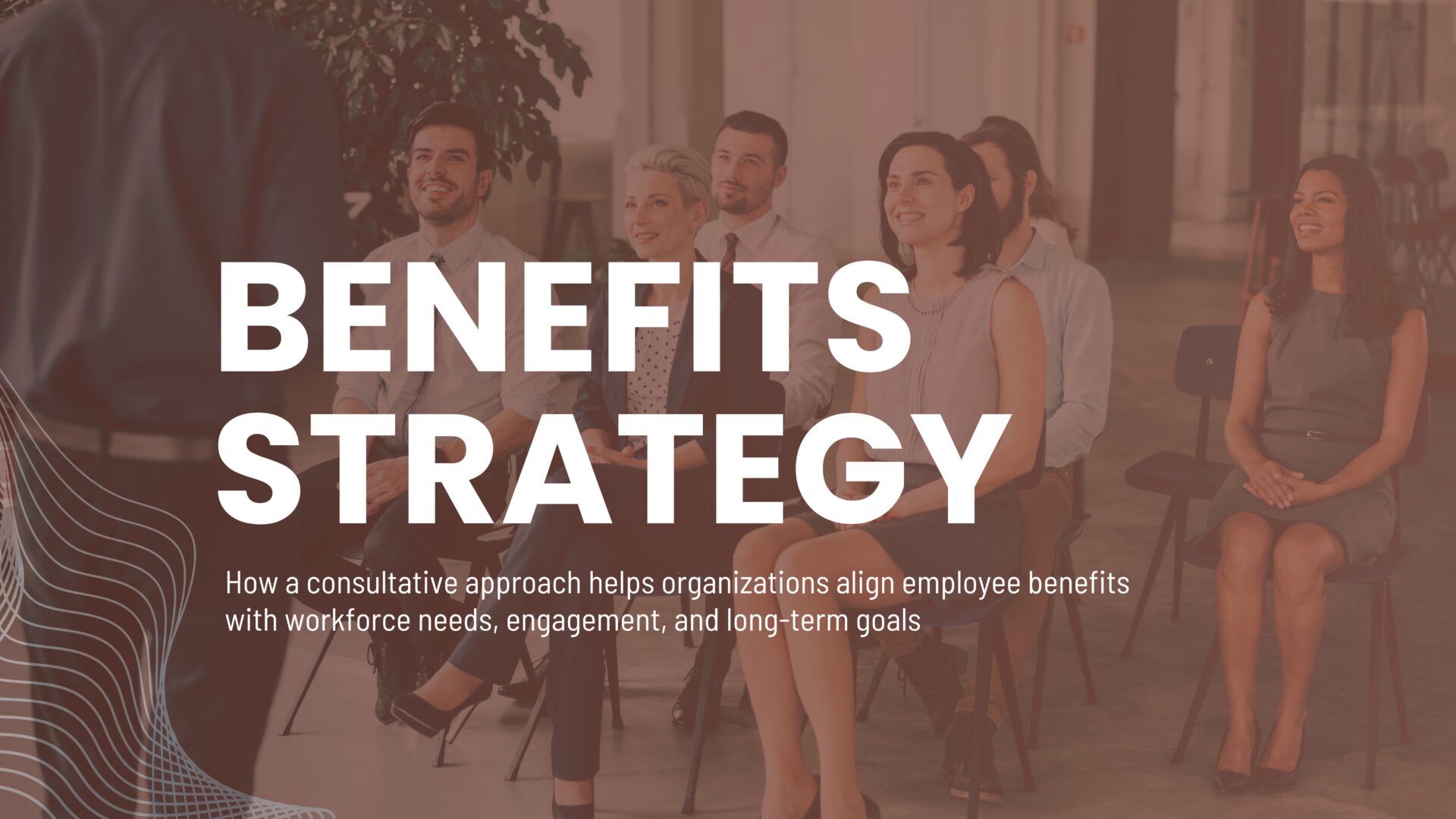
For most organizations, one of the largest investments made in their workforce is employee benefits. However, too often, benefits discussions happen once a year during renewal season and focus almost entirely on premiums and plan options only.
In reality, benefits influence much more than healthcare coverage. They can affect employee satisfaction, retention, productivity, recruitment, and even an organization’s long-term financial performance. This is why many employers are shifting toward a more consultative employee benefits strategy. Rather than simply selecting plans and renewing coverage each year, a consultative approach focuses on understanding workforce needs, identifying trends, analyzing costs, and building a benefits program that supports both employees and business objectives.
Looking Beyond Annual Renewals
Benefits planning works best when it becomes an ongoing conversation rather than a once-a-year decision.
There are many challenges faced by employers. This includes rising healthcare costs, changing workforce expectations, and increasing pressure to attract and retain talent. With a consultative approach, organizations can evaluate these challenges throughout the year by reviewing workforce demographics, utilization trends, claims activity, and employee feedback.
This enables businesses to make more informed decisions instead of only reacting at renewal time.
Using Data to Make Better Decisions
The biggest advantage of a consultative employee benefits strategy is the ability to use data to guide planning. By incorporating claims activity, pharmacy utilization, and healthcare spending patterns, employers gain a clearer understanding of where costs are coming from and where opportunities may exist. These insights can help organizations make smarter decisions around plan design, employee education, and future benefits investments.
Employee Education Is Often Overlooked
Most of the time, employees do not fully understand the benefits available to them. Consequently, valuable resources often go unused simply because employees are unaware they exist or are unsure how to access them. With ongoing communication, organizations may be able to bridge that gap.
When employees better understand their coverage, wellness resources, mental health support programs, and preventive care options, they are often more engaged with their benefits and more likely to use them effectively.
That can create value for both the employee and the employer.
Evaluating Funding Strategies
In a consultative approach, reviewing how benefits are funded is also involved. Different funding structures may provide different advantages, depending on an organization’s size, claims experience, and risk tolerance. Employers can choose between:
- Fully insured plans
- Level-funded plans
- Self-funded arrangements
Regularly evaluating these options can help ensure that a benefits strategy continues to align with both business goals and workforce needs as the organization evolves.
Staying Ahead of Compliance Requirements
The benefits administration involves more than managing costs. Employers must navigate a complex regulatory environment that continues to evolve. Compliance requirements related to healthcare benefits, employee protections, and reporting obligations can create challenges for organizations that are already balancing multiple priorities.
A consultative approach helps employers stay informed, identify potential compliance concerns early, and reduce the likelihood of unexpected issues.
Building a Long-Term Strategy
The most effective benefit programs are the ones built around long-term workforce and business goals. Furthermore, with a strong benefits strategy, organizations can attract talent, improve retention, support employee well-being, and better manage healthcare costs over time. Instead of viewing benefits as an annual expense, many employers are beginning to view them as an investment in the long-term success of their workforce.
Final Thoughts
Employee benefits are an important part of workforce strategy, employee experience, and organizational performance. With a consultative employee benefits approach, employers can move beyond annual renewals and make more informed and efficient decisions around cost management, employee engagement, wellness initiatives, and long-term planning.
If your organization is evaluating its benefits strategy, now may be a good time to determine whether your current program is supporting both your workforce and your business objectives. Contact us today to discuss your options.
