

Gen Z Turns to AI for Benefits Enrollment
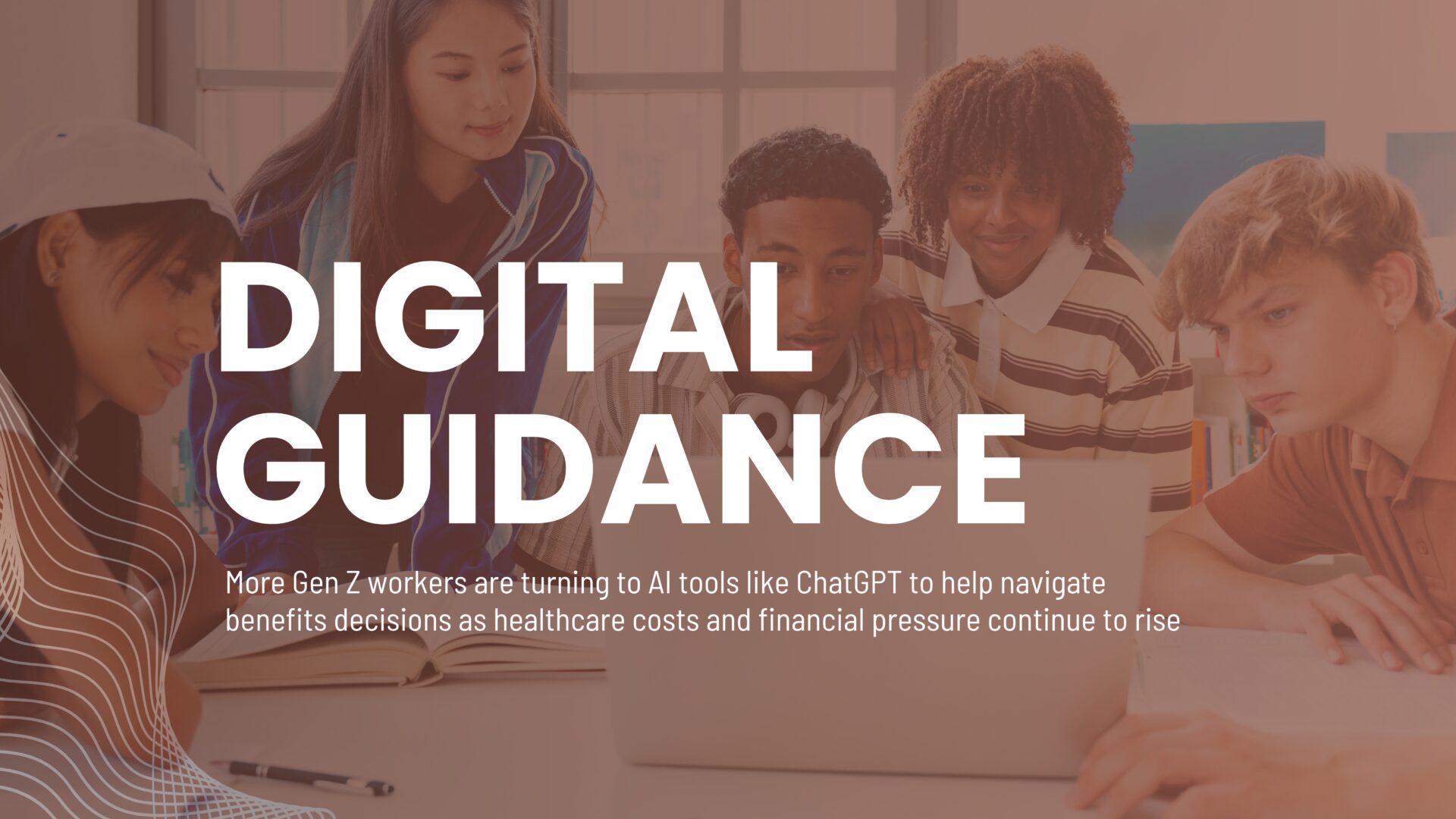
Healthcare costs and financial pressure have been on the rise, forcing more employees to begin using AI for benefits enrollment to help navigate coverage decisions during open enrollment. AI tools like ChatGPT are playing a much larger role in how some workers compare benefits options, estimate healthcare expenses, and better understand their choices.
According to The Hartford’s latest Future of Benefits Study, 43% of US workers claim they are never fully sure if they are choosing the right benefits during enrollment. This is the uncertainty that is pushing some employees, particularly younger workers, to seek guidance from AI tools during open enrollment.
The study found that 17% of workers used AI tools to help make benefits decisions, and more than half of those AI users were Gen Z employees.
Why Employees Are Using AI for Benefits Enrollment
For many workers, especially Gen Z employees, AI tools offer fast and accessible guidance during a process that can often feel confusing and financially significant.
Among workers who used AI during enrollment, usage focused primarily on:
- Comparing benefits options
- Learning about coverage choices
- Receiving personalized recommendations
- Calculating healthcare costs and expenses
- Understanding out-of-pocket costs
In approximately one-third of cases, employees reported using AI tools to have “someone” tell them exactly what plan they should choose or buy.
The study also found that 94% of Gen Z workers who used AI during enrollment trusted the recommendations they received.
Financial Pressure Is Reshaping Benefits Decisions
With financial concerns increasing for many households, the use of AI for benefits enrollment is growing simultaneously.
According to The Hartford’s research, half of US workers are unsure whether they will have money for future medical care. This is because medical costs also continue to rise faster than many workers’ wages. Federal data showed that medical care prices increased 2.8% from December 2023 to December 2024, while medical care services increased 3.4% during the same period.
As premiums, deductibles, and everyday living expenses continue to rise, more employees are turning toward supplemental health benefits as an additional financial safety net.
The study also found:
- 44% of workers are more worried about daily expenses than long-term financial goals
- 38% said their financial situation is affecting their mental health
The demand for supplemental health coverage was particularly strong among blue-collar workers, with 73% considering these benefits part of their broader financial plan.
The Opportunity and the Risk of AI Guidance
With AI guiding most individuals, there seems to be both opportunity and potential risk.
It’s important to highlight that AI tools can indeed help employees better understand benefits information, compare options more quickly, and navigate enrollment decisions with greater confidence.
However, general-purpose AI tools may not always have access to the exact details of an employer’s plan structure, coverage limitations, or provider networks. This creates the possibility of confusion or recommendations that may not fully align with a worker’s actual plan options.
The head of employee benefits at The Hartford, Mike Fish, explained:
“American workers are getting benefits information from more sources than ever before – HR portals, colleague and peer advice, and now AI.”
He added:
“Regardless of how they prefer to receive their information, we help our employer clients provide support that’s easy to access using AI-backed tools and clear, simple benefits communication.”
Employee Expectations Continue to Evolve
The findings also reflect the varying expectations around how employees want benefits information delivered. The majority of younger workers expect guidance to be digital, conversational, and available on demand. At the same time, broader polling also suggests that Gen Z’s long-term feelings toward AI remain mixed. While many continue to use AI frequently, some are also becoming increasingly skeptical about its long-term impact on work and creativity.
Why Clear Communication Still Matters
With AI becoming more involved in benefits enrollment, clear communication and knowledgeable support remain crucial.
Employees are making decisions that directly affect healthcare access, financial stability, and daily expenses.
As Mike Fish stated:
“US workers want benefits that can help protect their paychecks – not just in a worst-case scenario, but in everyday life.”
He added that these findings reinforce the importance of “clear, easy-to-use guidance, backed by knowledgeable support” as employees evaluate coverage options and look for ways to manage financial pressure.
Final Thoughts
The growing use of AI for Benefits Enrollment reflects a broader shift in how employees search for and process information around healthcare and financial decisions.
For many Gen Z workers, tools like ChatGPT are becoming part of the enrollment process because they offer fast, conversational guidance during an increasingly complex and financially sensitive decision-making process.
As healthcare costs and financial concerns continue to rise, employers and benefits providers may need to rethink how enrollment guidance is delivered and how employees are supported when evaluating their options.
As employees navigate increasingly complex healthcare and financial decisions, having the right guidance and protection matters more than ever. If your organization is reviewing employee benefits strategies or related risk exposures, contact us to learn more about available coverage solutions and get a quote today.
