

Physician-Guided AI: Redefining Prior Authorization & Liability
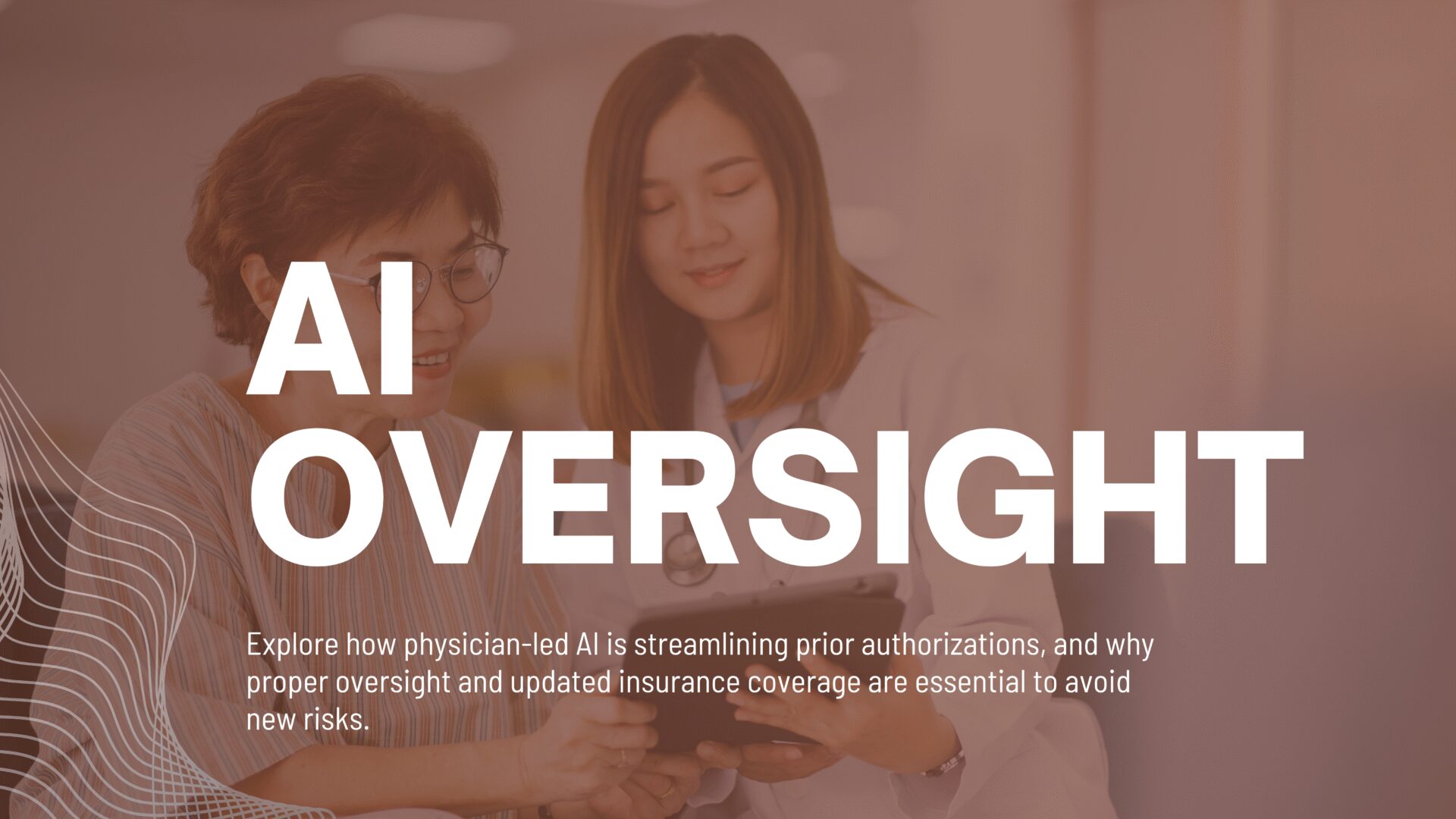
Prior authorization has been one of the most frustrating and longstanding pain points in modern healthcare. It has caused delays in care, administrative overload, and provider burnout. Just in one week, physicians typically handle nearly 40 prior authorization requests, and this pulls them away from what matters most: treating patients. Physician-guided AI is emerging as a promising solution, designed specifically to streamline this process while keeping clinical judgment at the core.
Physician-Guided AI
The advancement of AI has led to the emergence of such a model that blends artificial intelligence with clinical judgment. These physician-led AI tools are built to support decision-making, and it is crucial to remember that they are meant to support, not replace, the human mind. Rather than relying on static rules, they reflect real-world medicine and assist in streamlining routine approvals, flag inconsistencies, and surface critical patient data.
The early results are however, are promising. The usage has led to faster turnaround times, fewer inappropriate denials, and improved clinical productivity. Most importantly, physicians stay in control, shaping how the AI operates and validating outputs before care decisions are finalized.
Why Human Oversight is Crucial
AI has been making things easier all around, but has also been introducing new liability exposures. If proper oversight is lacking, and a provider relies entirely on an AI tool for decision-making, poor outcomes could easily trigger a claim. Given that sensitive patient data is involved, cyber and privacy risks are heightened as well.
This is why it’s essential for practices to clearly define how AI is being used and whether coverage can reflect that integration. All your policies, including medical malpractice, E&O, and cyber liability, must evolve with your tools.
What You Need to Do Next
If you already have, or are planning to adopt, AI-supported systems for prior authorization or clinical documentation, review your insurance coverage as soon as possible. Consider asking your broker questions like:
- Is AI use clearly outlined in our risk profile?
- Do we have coverage for tech-assisted decision-making errors?
- Is our cyber liability policy sufficient for AI-generated data?
The right tools can transform productivity. But the right protection ensures those tools don’t create unnecessary exposure.
