

Employers Project 10% Healthcare Cost Increase in 2026
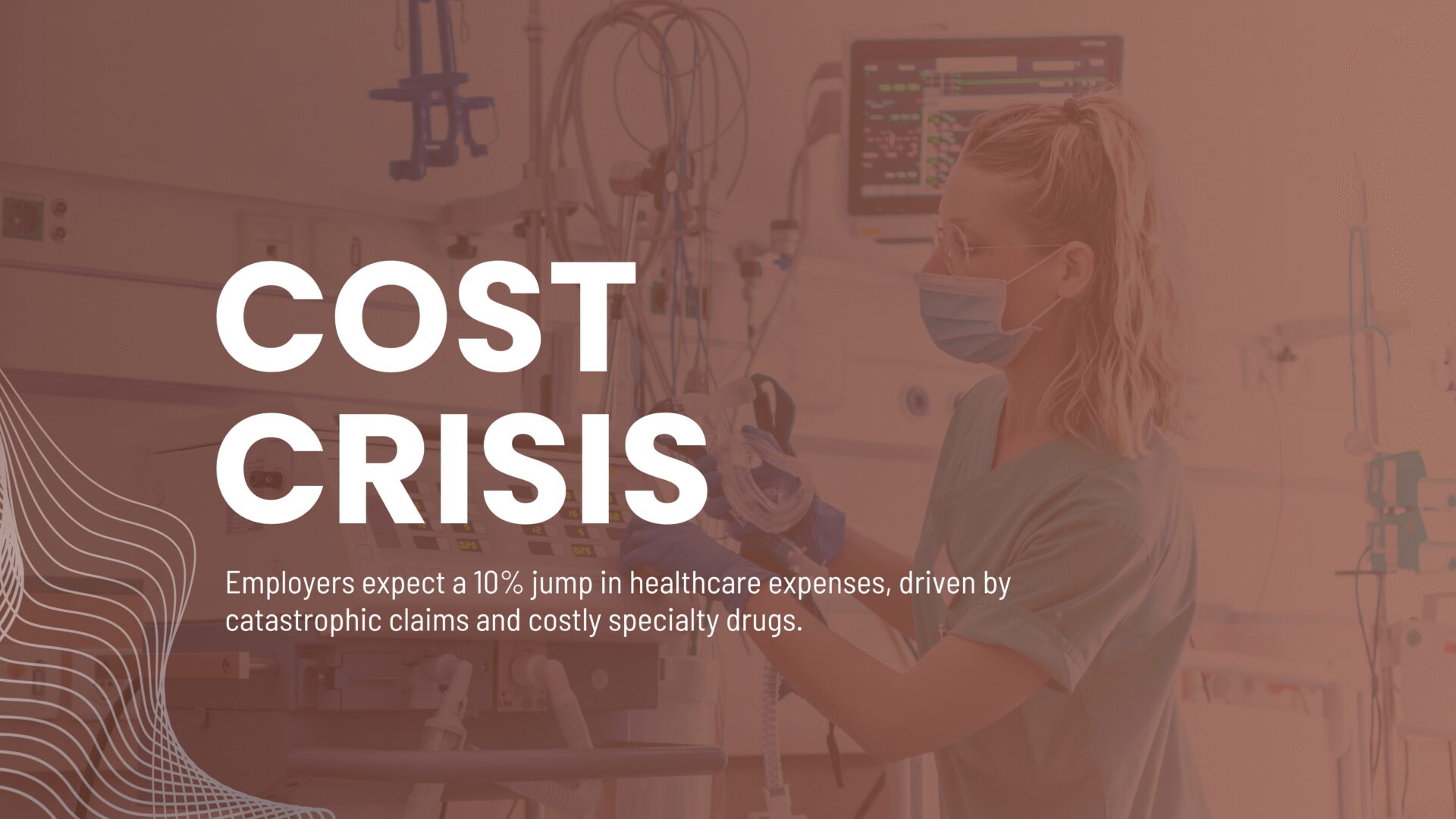
According to a new survey from the International Foundation of Employee Benefit Plans (IFEBP), U.S. employers expect a 10% median healthcare cost increase in 2026. This is up from last year’s projection of 8% for 2025 and reflects growing concerns over medical plan expenses.
The survey was conducted in early August 2025, with responses from over 150 employers representing more than 25 million covered lives.
What’s Driving the 2026 Healthcare Cost Increase?
Employers were able to identify several major factors behind rising healthcare costs, such as:
- Catastrophic claims were recorded at 31%, which increased significantly from 20% last year.
- Specialty and high-cost prescription drugs were recorded at 23%, with GLP-1 weight loss drugs, cancer therapies, and cell/gene treatments being at the top of the list.
- Chronic condition management was recorded at 15%, with higher utilization tied to diabetes, heart disease, and other long-term illnesses.
- Provider costs are at 11% due to rising charges from hospitals and medical practices.
How Employers Plan to Manage Rising Costs
To assemble for the projected 2026 healthcare cost increase, employers are exploring multiple cost-control strategies:
- Cost-sharing (27%) – Higher deductibles, copays, coinsurance, or premium contributions.
- Plan design changes (17%) – Dependent eligibility audits, spousal surcharges, high-deductible health plans, and drug formulary adjustments.
- Purchasing/provider initiatives (17%) – Expanding telemedicine, using centers of excellence, implementing price transparency tools, and offering healthcare navigation.
- Utilization controls (12%) – Case management, prior authorizations, disease management, and nurse advice lines (though this has dropped sharply from 27% last year).
What This Means for Employers and Employees
For businesses, the 2026 healthcare cost increase prompts a need to reevaluate benefit strategies. Employers plan on and have begun to shift toward cost-sharing and plan design changes, which could result in higher out-of-pocket costs for employees.
Healthcare costs are spiking faster than inflation, and this is quite a challenge for HR leaders and benefits managers to balance affordability with access to healthcare.
With all the above, it is certain what the IFEBP survey depicts: catastrophic claims and expensive specialty drugs are the leading drivers of rising healthcare costs. Even though the employers are responding with cost-sharing and benefit design changes, however, the pressure is likely to fall intensely on both companies and employees in 2026.
